The use of organic, real-life photos in these adverts and their 'too cool for school' subjects, are not the essence of this campaign's brilliance. It is Amazon's use of social media. Amazon want you and I to spread the message and help them to convince our peers that travelling without a Kindle is like travelling without a passport. It can't be done! A lot of companies are only just coming round to the idea of using twitter to get people involved in their campaigns, let alone Instagram! However, the online retail company is truly tech savvy and is fully embracing the reach that the photo-based social network has. Using the handle @AmazonKindle, Amazon are posting images of the kindle taking in the sights in different locations around the world. At the same time they are encouraging Kindle owners to post their ‘Kindle travel’ pics using the hashtag #haveKINDLEwillTRAVEL. The company who realised that they could out price highstreet retailers by going online, have also cottoned on that social media is also a money saver. Inviting your paying customers to spread your message is not only cost effective, but due to social media's global reach, a domestic message such as this has the chance to go international. Looks like Amazon might be onto something ;)
Monday, 10 August 2015
Amazon love a good selfie!
The use of organic, real-life photos in these adverts and their 'too cool for school' subjects, are not the essence of this campaign's brilliance. It is Amazon's use of social media. Amazon want you and I to spread the message and help them to convince our peers that travelling without a Kindle is like travelling without a passport. It can't be done! A lot of companies are only just coming round to the idea of using twitter to get people involved in their campaigns, let alone Instagram! However, the online retail company is truly tech savvy and is fully embracing the reach that the photo-based social network has. Using the handle @AmazonKindle, Amazon are posting images of the kindle taking in the sights in different locations around the world. At the same time they are encouraging Kindle owners to post their ‘Kindle travel’ pics using the hashtag #haveKINDLEwillTRAVEL. The company who realised that they could out price highstreet retailers by going online, have also cottoned on that social media is also a money saver. Inviting your paying customers to spread your message is not only cost effective, but due to social media's global reach, a domestic message such as this has the chance to go international. Looks like Amazon might be onto something ;)
Saturday, 1 August 2015
Gio Compario is back: Our love, hate relationship.
Yes, he's back! After a hiatus of almost 18 months Gio Campario, played by Welsh actor Wynne Evans, has returned to grace our TV screens once more.
The return of the star of Britain's most annoying TV advert was precipitated by a 24-hour series of on-screen teasers, before the full length ad was aired during ITV's Surprise Surprise.
Personally, I thought that upon his return I would be running for the hills, but there is something about the opera singer that is soo infectious! He is officially Britain's marmite, but the only problem is we can't decide whether we love him or hate him!
Why is that? Well, the advertisers behind the campaign knew what they are doing. But after you read how they did it, they might need to go into witness protection!
Put simply, they wanted to annoy you. These guys sat down and conceived of the best way to disrupt your TV watching experience. They saw it as the only way they were going to get your attention in age of social media.
Nowadays, we seldom find ourselves with the need to sit and watch the ads on TV because there is such much going on in cyberspace. During the ad breaks we all reach into our pockets and pull our smart phones to find out what new excuses our "friends" have come up with to take yet another selfie.
So how are advertisers going to compete with our smart phones, tablets, and laptops....by playing dirty! The sound of Gio bellowing out his infamous line "Go compare, Go compare" is enough to raise the head of any digital native! The song is annoying enough to get stuck in our heads and for us to share our annoyance with friends.
Therefore, from the advertisers' perspective they have done their job. They have got our attention. We are able to recall the ad and the company. And most importantly, we are sharing this information with others. You have to admit its pretty clever! But that still doesn't explain how after they have got our attention they were able to keep it?
Throwing some humour into the mix is always a good start. The clever thing about this campaign was that the advertisers embraced the fact that they had potentially created the world's most annoying TV ad. Watching people who are equally annoyed by the singer attempting to get rid of him in the most elaborate and funny ways, keeps us involved in the campaign and we find ourselves actually enjoying the ads.
But this was not enough for these advertisers, they wanted to use our own feeling against us. Watching Gio repeatedly being down trodden, leaves one feeling, dare I say it, sorry for him. Yes, without us knowing it the villain we all loved to hate managed to find his way into our hearts. Even though you think Simon Cowell can be a right *bleep* sometimes, you know that X factor was never the same without him. And I think the small screen has felt the void left by the big welshman.
So, begrudgingly, one says "Welcome Back Gio!"
Friday, 31 July 2015
Ad of the week: Transferwise 'That Moment' Ads
Over the past week I began to notice these disgruntled faces plastered across London's underground. The new money transfer company, Transferwise, are using these HD images to illustrate ‘That Moment'. This refers to when the banks charges ridiculous fees to send your money abroad. Admittedly, its not often that we find ourselves with the need to send money abroad so it is unlikely that a straightforward ad promoting such services would draw our attention. Therefore, Transferwise needed a way to turn our heads and also get us to understand the need for their service. Now I think we can all relate to the feeling of being overcharged for something. That concoction of outrage, horror, and betrayal. Albeit slightly over-exaggerated, this is brilliant, humorous depiction of 'That Moment'. By first entertaining and intriguing the commuter in way, makes them more willing to process the marketing message i.e TransferWise is the clever new way to convert money to send abroad and is more than 8x cheaper than banks.
Well Transferwise, I will definitely keep you in mind if I find myself needing transfer money abroad. The only thing is, first I need to have the money to transfer!

Wednesday, 22 July 2015
Sex does NOT sale: New Research dispels marketing myth
It turns out that showing a little bit of cleavage can be more of a distraction than an attraction. A recent study in the US has shown that graphic images have an adverse affect on consumer engagement. According to the results, people tend to overlook the marketing message because they are distracted by the image. The team at Ohio University also noted that this applies to ads shown in between sexual and violent programmes.The findings suggest that advertisers might want to rethink how they use sexual images to sell their products or services.
But I still think these types of images can be used to good affect. They just need to be used creatively and not to objectify or misrepresent. True, striking the right balance between sexy and just plain 'sex' is difficult but it is not impossible, and the Dove Real Women campaign is a testament to that fact. Research undertaken by their parent company Unilever, suggested that women no longer believed that their products worked because the women using them in the ads were so unrealistic. Dove's marketers sensed an opportunity, and they set out to reassure women about their insecurities by showing them as they are- wrinkles, freckles, pregnant bellies and all. As you can see in my cover photo, despite these women being in their underwear, they the 'object' of the advert rather the 'subject'. The women still look beautiful and sexy but it is an untampered, un-enhanced depiction of their bodies meaning the women themselves become the focus of our attention instead of their "assets". Indeed, the consumer's attention is initially caught by the sight of scantly dressed women on a billboard but how they are being presented means the consumer is also able to process the marketing message.
So, if marketers want to us sexual images in their ads they need to take a leaf out of Dove's book. This will ensure that that they do not offend or distract the consumer while still allow them to be used for the purpose of getting the prospects attention.
Friday, 17 July 2015
Apple Pay: TFL Promotion
You know your brand is well-established when a government organisation incorporates your product into their system, and then advertises that fact for you! Well, that’s exactly what TFL did with Apple Pay. Released earlier this month, Apple Pay is a digital wallet service that allows users to make payments with their Apple devices. While the service in very much in its infancy and its usage is nowhere close to that of contactless bank cards, this is likely to change and TFL is well aware of that fact.
Apart from accumulating a vast amount of wealth, the tech company has managed to cultivate a powerful brand image. It is this image that gives credence to TFL's decision to integrate Apple's new payment service . Over the past 12 years Apple have strategically and systemically diversified their product portfolio. Starting with a bold move into the music industry with the launch of the iPod and iTunes in 2004, the company has since branched out into the mobile phone industry and watch market. Apple have fingers in many different pies and now that their index finger is firmly in the digital payment pie, Apple will have to start using their toes!
Apple were recently disappointed with the sales of their Watch, but this is to be expected as it will first be bought by the wealthier "early adopters" before the masses jump on the bandwagon. Remember when they first launched the iPhone? It was only until the iPhone 5 that it became the No.1 mobile of choice. So going by the success of the iPhone and iPad over the past few years, Apple Watch and Apple Pay will surely play their role in ensuring that Apple hold their title as the King of Brands. I mean, when you top the Forbes Most Valuable Brand List for the second consecutive year, any of your market offerings are likely to be well received.
Apart from accumulating a vast amount of wealth, the tech company has managed to cultivate a powerful brand image. It is this image that gives credence to TFL's decision to integrate Apple's new payment service . Over the past 12 years Apple have strategically and systemically diversified their product portfolio. Starting with a bold move into the music industry with the launch of the iPod and iTunes in 2004, the company has since branched out into the mobile phone industry and watch market. Apple have fingers in many different pies and now that their index finger is firmly in the digital payment pie, Apple will have to start using their toes!
Unlike most companies who pursue a simple strategy of brand extension, i.e Google creating Gmail, Apple often pursue a far riskier one. But this policy of throwing caution to the wind is all part of Apple's desire to become a lifestyle brand; a brand so ingrained in our day to day life that it is seen as a necessity. Ultimately, just how we use brand names for certain daily activities like “Google it” instead of "search it on the internet" or “hoover the carpet" instead of "vacuum the carpet", Apple want the same. Now I can't think of an instance when I said “Can I use your iPhone" instead of "Can I use your mobile"(unless I knew they had one) and it seems that this kind of assimilation into our common vernacular is some way off. That being said, TFL's adoption of Apple Pay means the company is heading in the right direction. Honestly, how many companies do you know that get free promotion from the government!
Sunday, 28 June 2015
Instagram Ads: Making them social friendly
A little over a year and half ago Instagram announced that users will start to see the "occasional ad" on their Insta feed. In order to allay fears of a facebook-esque advert takeover, the company assured gramers they would "start slow." Unfortunately, this did not prevent the anti-capitalist rhetoric, and a few disgruntled users began the #boycottInstagram movement. Luckily for Instagram this campaign gain very little traction as the company were true to the word and this process was indeed very slow at first. In fact, I admired the companies transparency and honesty. As they said the Ads were few in number and were "beautiful, high-quality photos and videos from a handful of brands that are already great members of the Instagram community." Put simply, my user experience was virtually unimpeded but the advent of the monetisation of the photo-based social network. But as the saying goes, all good things must come to an end, and sadly, the end is nigh!
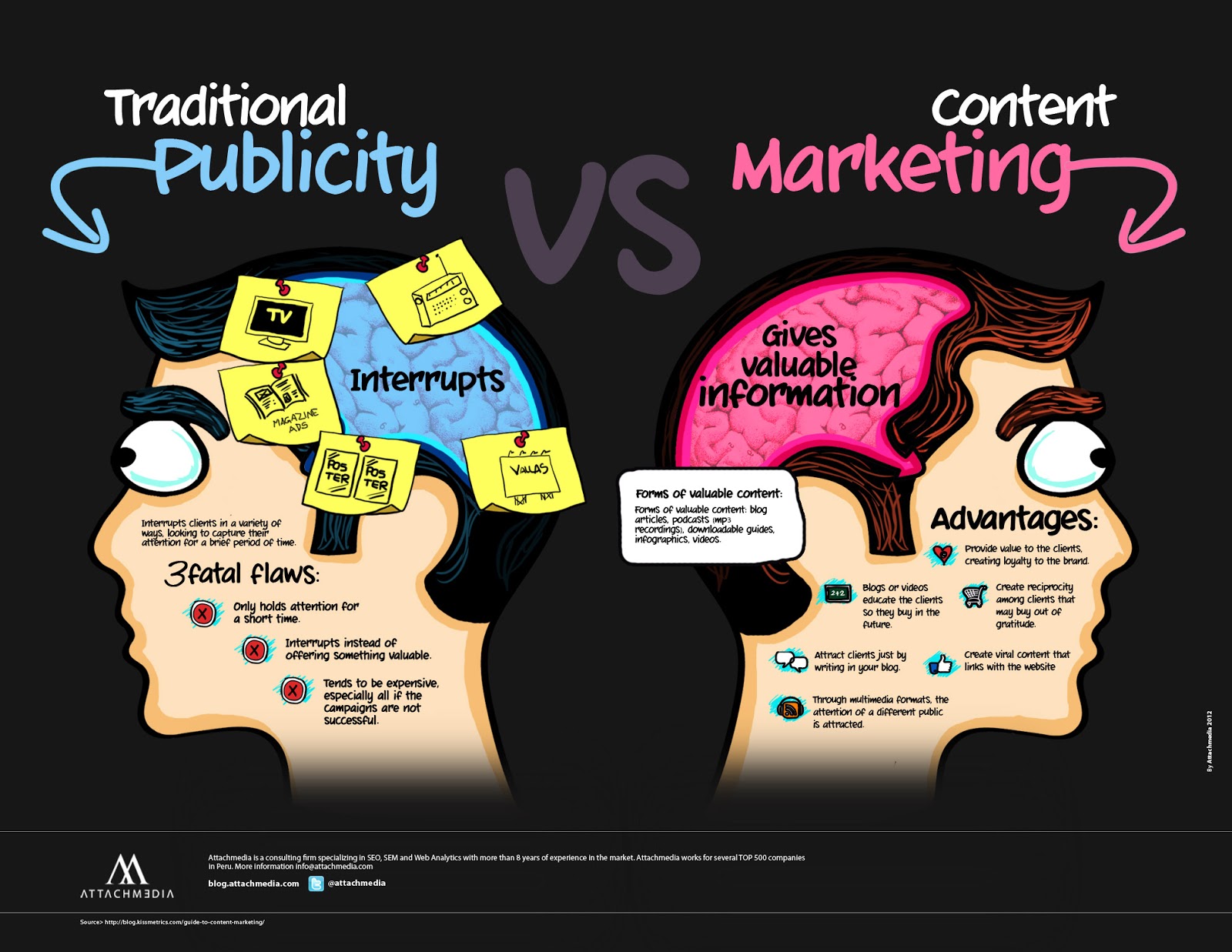
2. Content marketing not traditional advertising. Consumers are blind to the traditional marketing tools. They are immune to the "here is my product and here are its attribute" type of adverts. Marketers need to create "content" that will get their attention. Content marketing is all about communicating with your customers and prospects without selling them anything. It is non-interruption marketing. Instead of pitching your products or services, you are engaging, informing, or entertaining the consumer. The aim of this approach is to enrich the consumers lives and in return they reward you their custom and loyalty. So use the different tools available on the social platform such as 15 sec videos to make content thats spark debate or excites your audience!
3. Be imaginative! Never be afraid to think out- of-the-box. On Instagram you can make slide shows or videos to bring your content alive, so it might be worth having a coffee with your creative director (or hire one!). Another way to engage the prospect is to have a click through. Instagram have now introduced clickable links which not only helps with measuring the ads impact, but gives you the opportunity to delight your customer by creating an immersive landing page!
Over the past month, I have noticed that one or two ads every two weeks has turned into one or two a week! Now, as marketer I am all for new innovative ways for companies to reach their audience and achieve brand objectives. I just think they need to clever about it! Instagram claim that they have "worked hard to focus on building a quality experience for businesses and people alike, listening and learning from both [their] community and partners." But apart from once being asked on my feed whether I minded seeing sponsored Ads, personally I don't feel as a user my opinion really matters. Social media is exactly that ,"social", so people will naturally be hostel to those who try to commodify it i.e brands! The potential to reach even small of portion of Insta's 300 million users is tempting for any company, but they need to look beyond number and focus on the users themselves. By doing this they can then ask themselves the question "What do users want to see from us?" As daunting as this question my seem for brands big and small alike, it is far from complicated.
My advice to companies using Sponsored Ads;
1. Make it organic! If you have taken your social presence seriously, then you would already have an Instagram account with followers who choose to view your images, videos and promotions. So all they need to do is look at what your followers have liked and commented positively on and use this as guide for your Sponsored Ads. Firstly, this should ensure that you are not alienating existing users by showing material that have already 'liked'. Secondly, you have an ad which, in some respect, has proven success with your followers so when it is shown to non-followers, there is a better chance that they too will like it.
3. Be imaginative! Never be afraid to think out- of-the-box. On Instagram you can make slide shows or videos to bring your content alive, so it might be worth having a coffee with your creative director (or hire one!). Another way to engage the prospect is to have a click through. Instagram have now introduced clickable links which not only helps with measuring the ads impact, but gives you the opportunity to delight your customer by creating an immersive landing page!
Look, brands and celebrities put out meaningful content on the social network to communicate with fans and consumers. So make you do the same when it comes to advertising and you will avoid the fire and pitchforks!
Friday, 26 June 2015
Streaming,Digital Downloads,CD's: What? You actually pay for your music!
Here is a shortened version of my 2014 masters dissertation. Hope you enjoy reading it as much as I enjoyed writing it!
The UK is the world’s most competitive digital music market. With more than 70 legal digital services, it is able to cater for a wide variety of music fans. By 2013, a fifth of all British music buyers had switched to digital music and almost 3 in 10 people in the UK had purchased downloads or streamed music content legally. Digital downloads have single-handedly revived the UK singles market with downloads accounting for 99.6% of singles sold in 2013. Furthermore, as part of the music industry’s increasingly diverse mix of revenue streams, subscription services are going from strength to strength. The music streaming market is now worth more than £49m to British record labels, accounting for 15.2% of digital trade income in 2013. These figures attest to the growing acceptance of a digital music model that is moving from one based largely on ownership, to a multifaceted model based around access.
However, amid the increasing consumption of digital music, physical formats still persist as the preferred means of acquiring, storing and listening to music for many consumers. Physical format sales still account for the majority of industry revenue, and despite global physical sales declining, major markets including the UK are witnessing the rate of decline slowing down. Interestingly, while vinyl sales only account for a small percentage of overall industry revenues, in recent years UK Vinyl sales have increased, suggesting that vinyl has a continued life as a niche product. Predictably, young people spend more on digital music than the older generation, who remain the most active in the CD market. However, according to industry research, most music downloaders, even those who are young, still appreciate physical formats and purchase their favourite artists’ CDs.
While there is a lot of extant literature on the consumer’s decision to pirate music, there has been comparatively little research done to explore why people purchase music. Certainly, given the ubiquitous nature of music piracy, the focus on the motivations for engaging in such activities was warranted. However, in light of the current success of the music industry’s new business models, the revival of the physical format market, and the decreasing numbers of people downloading music illegally, there needs to be a switch in academic focus.....
So thats what I did I asked 10 university students who purchased a subscription to the streaming service, 10 who legally downloaded their music, and 10 who either bought CD's or Vinyl. Here are the main findings;
From the 30 respondents, I identified four main motivations for paying for music. These are: Reciprocity, Morality, Supporting the artist and Quality.
Reciprocity: Reciprocity refers to responding to a positive action with another positive action, or simply rewarding kind actions. In this in this case, this was the payment of a song or album. A reoccurring belief among the students was that they should give the artist something in return for the time and effort that they put into the music. For example:
‘The artist put in a specific amount of effort into their work and therefore they should be rewarded for that, if I was in their position I would not want people to illegal download my music.’
Morality: Among the students their was a belief that remuneration is required for any product that one benefits from.
‘..its like any kinda product, like say I spend time making a table then I put it on the market then someone goes and steals it or just uses it for free for a long time without paying it, that is just wrong, so I think its that aspect of it that makes me wanna buy the music.’
Supporting the artist: The need to support the artist was quite often associated with reciprocity.
‘Its an appreciation of the time and effort and I want to support them for that... but also like if people didn’t pay for music people wouldn’t be able to make music, so it (paying) is way of keeping it going, you need to support it.’
Quality: Another motivation for music payment was the quality of the music that one received when using legitimate sources to acquire it.
‘Probably the fact that is good quality I mean the company is accountable to give you a good quality CD or download, I mean you get it organised you get the name, you get the cover, you get the details on it. Say if it was an artist’s painting I wouldn’t want to get a fake print of it I would want to buy the real thing and that’s to do with quality.'
Four main motivations for using subscription services were identified. These were: Price, the music library, sampling and new discovery.
Price: The monthly subscription fee (Price) was mentioned by all of the participants who had a subscription account as an important reason why they choose to pay for music in this format.
‘I cannot really afford to buy every single song. ..At the end of the day buying a Cd or digitally downloading music is quite expensive. A CD is $ 9.99 whereas spotify for a student is $4.95, you are getting a wider range for half the price... I have they whole discography.’
The music library: The access to a massive catalogue of songs was a big motivating factor for the students who used subscription services
‘The potential music you can have is massive but its very easy to make it bitesize, its a huge library but its easy to sit down with a book and get good stuff out it’.
Sampling: The ability to sample new songs and listen to music recommend to them by their friends, also drove these students to use these services.
‘ I experiment more with songs now . Say I like a song from one particular artist I can be like let me click through their others to see if I like the rest.’
New music discovery: The ability to sample music was directly connected to the ability to discover new music on streaming services.
‘There is a feature with spotify which I use a lot called spotify radio. Say I have a song that I really enjoy you click radio and then they come up with a whole range of songs that are similar, which I can I listen to... it gives you the ability to discover music.’
However, although music discovery was mentioned by all the respondents, like sampling music, it was not identified as a primary motivation by any of the students for streaming music, as one student put it, ‘ I rarely go free browsing on spotify, I usually know what I want to listen to first’.
I identified two main motivations for choosing to download music. These were: ease and accessibility. The ability to buy unbundled music (e.g a single song), was only a motivation for the students who predominately brought singles as opposed to albums.
Ease: Ease of downloading music was often mentioned in respect to being able to have the music almost instantaneously. Many students discussed the speed you can download music in comparison to purchasing a CD or vinyl.
‘even if you buy it online its more hassle to wait for the CD to come to your house, but also you still have to burn it to your computer to put it on your Ipod. I guess with an MP3 you can get it instantaneously’.
Accessibility: Students relished in the fact that they could have their music in one device that could ‘go everywhere and anywhere’ with them.
‘As a student I am always on the move, so having individual CDs is not always convenient, need to have my music on one device’.
Unbundled music: This was an important motivation for all the students who typically purchased singles. These students saw it as means of avoiding the songs on an artsist’s album that they were not fond of, chart music, or just liked ‘the freedom to buy one song from different albums’.
‘I am not really an album buying person I just like to pick out songs basically that I enjoy.. I think that’s one of the main reasons why I like to download my music.’
I identified three main motivations for purchasing music in physical format. These are: tangibility, the holistic experience and adding to ones collection. The albums aesthetics was also identified as a primary motivation for students to buy vinyl’s.
Tangibility: Students valued the ability to hold the product that they had purchased, many perceived the CD or Vinly to be more ‘real’. The idea of a real, tangible product was often juxtaposed with the intangibility of digital music.
‘..its just when you see it physically I think that you appreciate the fact that.. you have something in your hand and you can be like yeah something this is real, when you download music its just like what have I spent my money on’
Given that Vinly is an analogue format, the ability to touch the music was particularly important for students who brought vinyl.
‘I guess its the physicality of it, I like the fact I got a record bag of tunes that I flick through.. the feel of it, the touch of it, it’s a bit more hands on especially when you are mixing or just changing the records over’.
This feeling of control stemming from the physical nature of vinyl, relates to another benefit physical formats tangibility; ownership. These students placed a premium on the feeling of ownership when it came to music, a feeling that they felt only physical formats could provide them.
‘I am more inclined to purchase a CD because it feels more like its yours than a digital copy, when you have a hard copy you truly know its yours’
The holistic experience:The physicality or aesthetic value could not be divorced from the other elements which make, a CD a CD, or, a Vinyl a Vinyl. In other words, some students were motivated to buy music in physical formats for the holistic experience.
‘I like the package as a whole because sometimes they come with fold up posters you get as part of the booklet I like kinda seeing the personal written down seeing who was involved in making it, I like having the lyrics.... the physical copy seems more of a full artform'
Adding to one's collection: The final motivation identified for purchasing a CD or Vinyl music was for adding to ones’s collection. Some students purely liked amassing a large variety of CDs or Vinyl which they admire in their room.
‘I like the idea of having a visual physical collection of music. I like to look at my CD covers, I like to open them up and look at the booklet’
Due to the premium students place on music ownership, the music industry should not expect a speedy transition from digital ownership (MP3’s) to digital access (streaming). While those students who download their music have expressed an interest in streaming services, reservations over ownership have slowed their conversion. In order to help facilitate this change, streaming services could adopt a hybrid approach, whereby they also offer downloads. Also streaming services should invest more in advertising their services so that more students are aware of all their features and capabilities, such as their ‘offline’ mode. Together, these implementations should help to appease those concerned with ownership but open to experimenting with streaming music. In addition, to capitalise on the general increase in users of subscription services, download services could adapt their business models to offer streaming. (Cough,Cough Apple Music, #justsaying)
Despite the general move from physical to digital music, the music industry should not whole heartedly abandon physical formats. In the coming years, CDs could become niche products sold alongside merchandise at live events. This retail method could be particular effective for well-established bands who have a large following of dedicated fans. With respects to vinyls, record labels should start to offer vinyl versions of their artists’ albums. However, these should be limited editions given that their seen as collectables. Moreover, the power of brand equity when it comes to well-established artists must not be overlooked. The traditional tactic of releasing a few songs before an album is perhaps no longer as necessary to guarantee album sales. Students said that they were more now willing to pre-order an album of a big artist, before hearing any promotional singles. Finally, in light of the price sensitivity of most students, music retailers should consider subsidising the price of music for this particular consumer group. The student discount that spotify is currently offering has been very an effective way of attracting students to use their services.
The UK is the world’s most competitive digital music market. With more than 70 legal digital services, it is able to cater for a wide variety of music fans. By 2013, a fifth of all British music buyers had switched to digital music and almost 3 in 10 people in the UK had purchased downloads or streamed music content legally. Digital downloads have single-handedly revived the UK singles market with downloads accounting for 99.6% of singles sold in 2013. Furthermore, as part of the music industry’s increasingly diverse mix of revenue streams, subscription services are going from strength to strength. The music streaming market is now worth more than £49m to British record labels, accounting for 15.2% of digital trade income in 2013. These figures attest to the growing acceptance of a digital music model that is moving from one based largely on ownership, to a multifaceted model based around access.
However, amid the increasing consumption of digital music, physical formats still persist as the preferred means of acquiring, storing and listening to music for many consumers. Physical format sales still account for the majority of industry revenue, and despite global physical sales declining, major markets including the UK are witnessing the rate of decline slowing down. Interestingly, while vinyl sales only account for a small percentage of overall industry revenues, in recent years UK Vinyl sales have increased, suggesting that vinyl has a continued life as a niche product. Predictably, young people spend more on digital music than the older generation, who remain the most active in the CD market. However, according to industry research, most music downloaders, even those who are young, still appreciate physical formats and purchase their favourite artists’ CDs.
While there is a lot of extant literature on the consumer’s decision to pirate music, there has been comparatively little research done to explore why people purchase music. Certainly, given the ubiquitous nature of music piracy, the focus on the motivations for engaging in such activities was warranted. However, in light of the current success of the music industry’s new business models, the revival of the physical format market, and the decreasing numbers of people downloading music illegally, there needs to be a switch in academic focus.....
So thats what I did I asked 10 university students who purchased a subscription to the streaming service, 10 who legally downloaded their music, and 10 who either bought CD's or Vinyl. Here are the main findings;
What are the motivations for students to pay for music?
Reciprocity: Reciprocity refers to responding to a positive action with another positive action, or simply rewarding kind actions. In this in this case, this was the payment of a song or album. A reoccurring belief among the students was that they should give the artist something in return for the time and effort that they put into the music. For example:
‘The artist put in a specific amount of effort into their work and therefore they should be rewarded for that, if I was in their position I would not want people to illegal download my music.’
Morality: Among the students their was a belief that remuneration is required for any product that one benefits from.
‘..its like any kinda product, like say I spend time making a table then I put it on the market then someone goes and steals it or just uses it for free for a long time without paying it, that is just wrong, so I think its that aspect of it that makes me wanna buy the music.’
Supporting the artist: The need to support the artist was quite often associated with reciprocity.
‘Its an appreciation of the time and effort and I want to support them for that... but also like if people didn’t pay for music people wouldn’t be able to make music, so it (paying) is way of keeping it going, you need to support it.’
Quality: Another motivation for music payment was the quality of the music that one received when using legitimate sources to acquire it.
‘Probably the fact that is good quality I mean the company is accountable to give you a good quality CD or download, I mean you get it organised you get the name, you get the cover, you get the details on it. Say if it was an artist’s painting I wouldn’t want to get a fake print of it I would want to buy the real thing and that’s to do with quality.'
Motivations for paying for Subscription-Based Streaming?
Price: The monthly subscription fee (Price) was mentioned by all of the participants who had a subscription account as an important reason why they choose to pay for music in this format.
‘I cannot really afford to buy every single song. ..At the end of the day buying a Cd or digitally downloading music is quite expensive. A CD is $ 9.99 whereas spotify for a student is $4.95, you are getting a wider range for half the price... I have they whole discography.’
The music library: The access to a massive catalogue of songs was a big motivating factor for the students who used subscription services
‘The potential music you can have is massive but its very easy to make it bitesize, its a huge library but its easy to sit down with a book and get good stuff out it’.
Sampling: The ability to sample new songs and listen to music recommend to them by their friends, also drove these students to use these services.
‘ I experiment more with songs now . Say I like a song from one particular artist I can be like let me click through their others to see if I like the rest.’
New music discovery: The ability to sample music was directly connected to the ability to discover new music on streaming services.
‘There is a feature with spotify which I use a lot called spotify radio. Say I have a song that I really enjoy you click radio and then they come up with a whole range of songs that are similar, which I can I listen to... it gives you the ability to discover music.’
However, although music discovery was mentioned by all the respondents, like sampling music, it was not identified as a primary motivation by any of the students for streaming music, as one student put it, ‘ I rarely go free browsing on spotify, I usually know what I want to listen to first’.
What are the motivation for people paying for Digital Downloads?
Ease: Ease of downloading music was often mentioned in respect to being able to have the music almost instantaneously. Many students discussed the speed you can download music in comparison to purchasing a CD or vinyl.
‘even if you buy it online its more hassle to wait for the CD to come to your house, but also you still have to burn it to your computer to put it on your Ipod. I guess with an MP3 you can get it instantaneously’.
Accessibility: Students relished in the fact that they could have their music in one device that could ‘go everywhere and anywhere’ with them.
‘As a student I am always on the move, so having individual CDs is not always convenient, need to have my music on one device’.
Unbundled music: This was an important motivation for all the students who typically purchased singles. These students saw it as means of avoiding the songs on an artsist’s album that they were not fond of, chart music, or just liked ‘the freedom to buy one song from different albums’.
‘I am not really an album buying person I just like to pick out songs basically that I enjoy.. I think that’s one of the main reasons why I like to download my music.’
What are the motivations for paying for music in physical format?
Tangibility: Students valued the ability to hold the product that they had purchased, many perceived the CD or Vinly to be more ‘real’. The idea of a real, tangible product was often juxtaposed with the intangibility of digital music.
‘..its just when you see it physically I think that you appreciate the fact that.. you have something in your hand and you can be like yeah something this is real, when you download music its just like what have I spent my money on’
Given that Vinly is an analogue format, the ability to touch the music was particularly important for students who brought vinyl.
‘I guess its the physicality of it, I like the fact I got a record bag of tunes that I flick through.. the feel of it, the touch of it, it’s a bit more hands on especially when you are mixing or just changing the records over’.
This feeling of control stemming from the physical nature of vinyl, relates to another benefit physical formats tangibility; ownership. These students placed a premium on the feeling of ownership when it came to music, a feeling that they felt only physical formats could provide them.
‘I am more inclined to purchase a CD because it feels more like its yours than a digital copy, when you have a hard copy you truly know its yours’
The holistic experience:The physicality or aesthetic value could not be divorced from the other elements which make, a CD a CD, or, a Vinyl a Vinyl. In other words, some students were motivated to buy music in physical formats for the holistic experience.
‘I like the package as a whole because sometimes they come with fold up posters you get as part of the booklet I like kinda seeing the personal written down seeing who was involved in making it, I like having the lyrics.... the physical copy seems more of a full artform'
Adding to one's collection: The final motivation identified for purchasing a CD or Vinyl music was for adding to ones’s collection. Some students purely liked amassing a large variety of CDs or Vinyl which they admire in their room.
‘I like the idea of having a visual physical collection of music. I like to look at my CD covers, I like to open them up and look at the booklet’
Recommendations and Implications
Despite the general move from physical to digital music, the music industry should not whole heartedly abandon physical formats. In the coming years, CDs could become niche products sold alongside merchandise at live events. This retail method could be particular effective for well-established bands who have a large following of dedicated fans. With respects to vinyls, record labels should start to offer vinyl versions of their artists’ albums. However, these should be limited editions given that their seen as collectables. Moreover, the power of brand equity when it comes to well-established artists must not be overlooked. The traditional tactic of releasing a few songs before an album is perhaps no longer as necessary to guarantee album sales. Students said that they were more now willing to pre-order an album of a big artist, before hearing any promotional singles. Finally, in light of the price sensitivity of most students, music retailers should consider subsidising the price of music for this particular consumer group. The student discount that spotify is currently offering has been very an effective way of attracting students to use their services.
Subscribe to:
Posts (Atom)